Classical texts, word by word
Read every word down to its root.
A reader of classical texts, Arabic above all, from the Quran and Ibn ʿArabī to the philosophers and poets, with Persian, Greek, Syriac and Chinese beside them. The text is the one interface: tap into it and every layer opens.
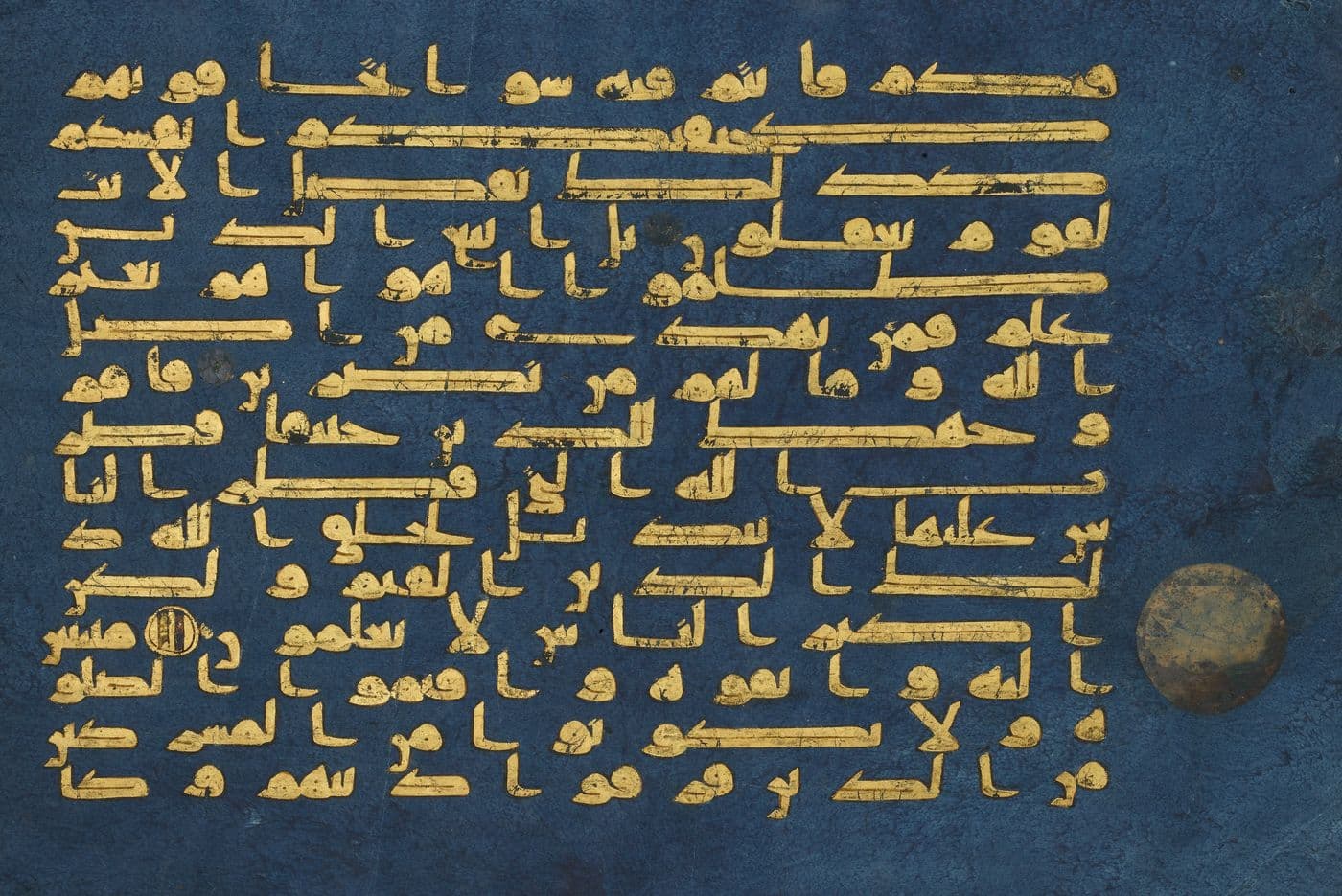
The library, in eight traditions
All 49 texts →From the library
Ibn ʿArabī
The Ringstone of Adam
فص حكمة إلهية في كلمة آدمية
Ibn ʿArabī · 560–638/1165–1240
Why the Real willed to see Itself: the human being as the polished mirror of the world.
20 passages · ~25 min · audio · commentaries · 4 Quran quotations
Ibn ʿArabī
The Meccan Openings
الفتوحات المكية
Ibn ʿArabī · 560–638/1165–1240
The introduction and chapter 1: his meeting with the youth at the Kaʿba, checked line by line against the Konya autograph.
112 passages · ~70 min · audio · 24 Quran quotations
Philosophy
The Recital of Ḥayy ibn Yaqẓān
رسالة حي بن يقظان
Ibn Sīnā · 370–428/980–1037
The sage who is 'Alive, son of Awake' shows the soul the way out of the world, with Ibn Zayla's commentary.
22 passages · ~25 min · audio · commentaries · 2 Quran quotations
Philosophy
The Niche of Lights
مشكاة الأنوار
al-Ghazālī · 450–505/1058–1111
The Light Verse expounded: parts I–II, on why God alone is light in the true sense.
126 passages · ~85 min · audio · 47 Quran quotations
Ibn ʿArabī
The Interpreter of Desires
ترجمان الأشواق
Ibn ʿArabī · 560–638/1165–1240
His love poems I–X, with Nicholson's translation and the poet's own commentary.
64 verses · ~10 min · audio · published translation
The Quran
The Opening
الفاتحة
The Quran · sūra 1
The first sūra, seven verses: every word with its grammar, root and recitation.
7 verses · ~5 min · audio · published translation
One interface: the text
The approach →- Every word opens to its root
Tap a word for its grammar, the sense of its root in Ibn Fāris, the range in Lane, and where else the library uses it.
- Readings in the plural
Translations side by side and where they differ, the commentators by lineage, recitations and the printed page.
- Every claim shows its source
Published sources, automatic analysis and AI are marked apart, and each links to the line it came from.
Arabic, from inside the texts
Scholarship
The texts reach us through people: Seyyed Hossein Nasr, William C. Chittick, Sachiko Murata, Muhammad U. Faruque, Joseph E. B. Lumbard and others who translated, edited and taught them, and institutes such as Tokat Institute for Advanced Islamic Studies, Muhyiddin Ibn Arabi Society (MIAS), The Institute of Ismaili Studies (IIS). Each in their own words, with their books.